Reviewing Lovely Koalas and Eucalyptus Watercolor
As a designer who has spent years navigating the gap between digital art and physical thread, I approach every new machine embroidery design with a mix of excitement and skepticism. The market is flooded with generic assets, so finding a piece that actually translates well from screen to fabric is a rare win. When I first opened the file for Lovely Koalas and Eucalyptus Watercolor, my immediate goal was to determine if this illustration could survive the transition into a high-quality finished product. This review isn't about pixel counts; it's about how this specific design behaves when you pull the hoop tight and watch the needle dance.
The Visual Mood and Design Intent
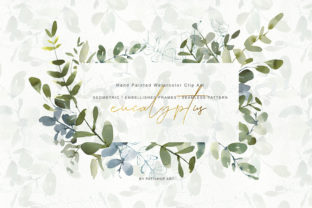
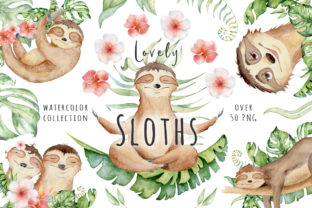
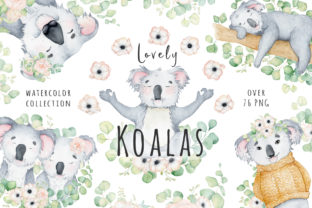
The first thing that strikes you about Lovely Koalas and Eucalyptus Watercolor is its softness. Unlike the bold, graphic outlines often found in standard clip art, this design leans heavily into the aesthetic of watercolor washes. For an Etsy seller or a boutique owner looking to elevate their brand, this visual personality is gold. It screams "handmade" without needing the actual hand-stitching time. The koala itself is rendered with gentle curves, avoiding sharp angles that can cause puckering on delicate fabrics. The eucalyptus leaves add a necessary organic texture, breaking up the solid shapes of the animal.
In the context of Illustrations, this piece feels curated rather than mass-produced. It creates a calming, nature-inspired mood that fits perfectly into nursery decor, eco-friendly apparel lines, or gift items for nature lovers. However, the watercolor style presents a specific challenge: how do we replicate that fluid gradient look using thread? If the stitch density isn't managed correctly, the design risks looking muddy or losing its artistic edge. My initial assessment suggests that while the layout is balanced, the success of the final stitch relies entirely on color selection and stabilizer choice.
Real-World Application: From File to Fabric
To truly test the viability of Lovely Koalas and Eucalyptus Watercolor, I imagined a specific project: a custom embroidered tote bag for a local craft fair. Tote bags are a staple for small shop products, but they are also unforgiving. They get washed frequently, carried by customers, and inspected closely. If the stitching is too dense, the canvas will pucker; too loose, and the design looks cheap.
I loaded the embroidery file into my digitizing software to preview the run. The design holds up remarkably well for a medium-sized hoop. The way the leaves are arranged allows for a natural flow of fill stitch without creating large, unbroken blocks of color that might sink into the fabric. For a tote bag design, I would recommend using a sturdy tear-away stabilizer on the back to support the weight of the thread, especially around the koala's face where detail matters most.
Now, consider a different scenario: a baby embroidery project, perhaps a onesie or a blanket. Here, the soft edges of Lovely Koalas and Eucalyptus Watercolor become a major advantage. Babies have sensitive skin, and thick, scratchy satin borders can be uncomfortable. This design's reliance on fill stitches and softer transitions means the finished item will feel gentle against skin. It transforms a simple garment into a premium personalized gift that parents will appreciate for both its aesthetics and comfort.
Navigating Technical Challenges
While the design is promising, it is not without its pitfalls. As any experienced maker knows, context is everything. Using Lovely Koalas and Eucalyptus Watercolor on dark fabric requires careful thought. The watercolor effect often relies on lighter shades blending into one another. On a black sweatshirt, those subtle gradients might disappear unless you use a white underlay or switch to a bright, contrasting palette. Always test your thread colors on a scrap of the actual fabric before committing to a client order.
Another area of caution is the hoop size. While the design works beautifully at a standard 5x7 inch setting, shrinking it down for a cap or a small patch could be disastrous. The delicate details of the eucalyptus leaves rely on space to breathe. If you force this design into a tiny hoop, the needles may collide, threads might tangle, and the intricate leaf shapes will blur into a single blob. For custom apparel like hats, I would advise checking the minimum size recommendations in the file metadata. If the details are lost, the charm of the illustration vanishes.
Texture is also a factor. On a smooth cotton shirt, this design shines. But on a textured fleece or a knit jersey, the watercolor illusion can struggle. The uneven surface of the fabric might interrupt the smooth flow of the running stitch or fill areas, making the design look inconsistent. In these cases, using a cutaway stabilizer is non-negotiable to ensure the fabric remains flat during stitching.
Business Value and Commercial Viability
For the creative entrepreneur building a brand, the value of Lovely Koalas and Eucalyptus Watercolor extends beyond the stitch count. It offers a cohesive theme that can anchor a collection. Imagine a line of holiday embroidery gifts featuring this motif on tea towels, pillow covers, and aprons. The consistency builds brand recognition. Customers begin to associate your shop with this specific, high-quality aesthetic.
However, as a business owner, you must be diligent about licensing. Before selling any finished product containing this design, verify the terms of the digital embroidery file. Some licenses allow for personal use only, while others permit commercial sales of physical goods but forbid reselling the digital file itself. Misunderstanding these terms can lead to legal headaches that no amount of beautiful stitching can fix. Always read the license agreement included with your purchase.
Final Designer Notes and Best Practices
If you decide to incorporate Lovely Koalas and Eucalyptus Watercolor into your workflow, here are my top practical tips:
- Test First: Never skip the test run on scrap fabric. Check for tension issues, especially in the curved areas of the koala's body.
- Color Strategy: Use variegated threads to enhance the watercolor effect. Solid colors might make the design look too flat compared to the original illustration.
- Stabilizer Choice: Match your stabilizer to your fabric. Heavyweight items need heavy support; light linens need lightweight backing.
- Mockups Matter: Create printable mockups of your designs on different backgrounds to show customers exactly what they will receive. This builds trust and reduces returns.
- Detail Inspection: Zoom in on the finished stitch to ensure the small leaves haven't merged. If they have, you may need to adjust the speed or tension settings.
In conclusion, Lovely Koalas and Eucalyptus Watercolor is a strong asset for designers who understand the nuances of translating art to thread. It brings a touch of whimsy and professionalism to commercial embroidery projects when handled correctly. Whether you are crafting a sweatshirt embroidery for a friend or launching a new line of handmade products, this design offers a unique opportunity to stand out in a crowded market. Just remember: the quality of your output depends less on the file itself and more on your preparation, testing, and attention to detail.