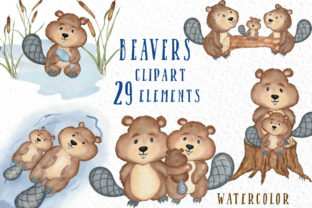
Watercolor Animals Beaver Illustrations Review
As a digital publisher who has spent years curating visual assets for content websites, I know that the difference between a scroll-past and a click-through often comes down to a single image. When I first opened the file pack for Watercolor Animals Beaver, I was immediately struck by its potential to soften the hard edges of modern web design. In an era dominated by flat vectors and sterile stock photography, this graphic design asset brings a necessary touch of organic warmth and artistic texture to editorial layouts.
The Editorial Mood and First Impressions
The moment you view the Watercolor Animals Beaver collection, the mood is established: it is playful yet sophisticated, educational but never childish. The watercolor medium inherently suggests creativity and human touch, which translates well into reader trust. For bloggers focusing on nature, parenting, sustainable living, or outdoor education, this illustration style feels native rather than forced. It creates a lifestyle-focused atmosphere that invites the reader to linger on the page.
Unlike generic clip art, these illustrations possess depth and variation in their color washes. This quality elevates the perceived value of your content. When a visitor lands on a website header featuring a beaver constructed from soft, blended hues, they subconsciously associate that care with the quality of the writing below. It signals that the site owner values aesthetics and attention to detail, which are critical components of strong brand identity in the crowded digital marketplace.
Real-World Publishing Applications
In my workflow, I rarely use a single asset for just one purpose. The versatility of Watercolor Animals Beaver allows me to deploy it across multiple channels to maintain visual consistency. Here is how I integrate these illustrations into real publishing scenarios:
- Blog Featured Images: Using the beaver as the central element in a featured image instantly communicates the topic of an article about wildlife, building, or habitat conservation without needing heavy text overlays.
- Pinterest Pins: These images perform exceptionally well as Pinterest pins. The organic shapes stand out against the grid of square photos, driving higher click-through rates to affiliate blogs or resource pages.
- Digital Guides and Lead Magnets: I have used similar assets to create covers for downloadable PDFs. A Watercolor Animals Beaver cover on a "Backyard Nature Guide" makes the lead magnet feel like a premium product rather than a quick flyer.
- Newsletter Headers: Email open rates can suffer if headers look too corporate. Adding a whimsical beaver illustration to a weekly newsletter banner adds personality and increases engagement among subscribers.
- Social Media Graphics: Whether for Instagram stories or Facebook posts, these graphics provide a cohesive look that supports content marketing strategies focused on community building.
Enhancing Visual Hierarchy and Performance
From a web design perspective, the strength of this asset lies in its ability to support visual hierarchy. A clean layout often suffers from being too stark. By introducing the Watercolor Animals Beaver as a hero image or a section break, you guide the reader's eye through the content flow. This improves readability and keeps users engaged longer, which is a positive signal for search engines.
Furthermore, consistent use of high-quality illustrations builds a stronger visual identity. If every category page on your site uses a matching set of watercolor animals, visitors will quickly recognize your brand. This recognition is vital for small business branding and helps convert casual readers into loyal followers or customers. In affiliate marketing, where trust is currency, polished visuals that look professional and curated can significantly boost conversion rates compared to sites relying on low-resolution or mismatched stock photos.
Where This Asset Shines Brightest
This design asset works best in environments that require a blend of professionalism and approachability. It is perfect for:
- Hero Images: Large, impactful banners at the top of landing pages.
- Article Thumbnails: Small previews in blog grids that need to pop without looking cluttered.
- Printable Design Projects: Worksheets, coloring pages, or activity sheets for online educators.
- Canva Templates: Creating custom templates for clients or internal social media scheduling.
The soft edges of the watercolor style make it ideal for editorial accents. It does not compete aggressively with typography; instead, it complements it. When placed beside a serif font, it evokes a classic storybook feel, while paired with a modern sans-serif, it creates a fresh, contemporary contrast.
Strategic Limitations and Careful Usage
While versatile, Watercolor Animals Beaver is not a universal solution. There are specific contexts where this asset should be used carefully or avoided entirely. For instance, in serious professional niches like legal services, medical advice, or corporate finance, the whimsical nature of a watercolor beaver may undermine the authority of the message. Similarly, on websites that rely on a strictly minimal visual system, the texture of watercolor might introduce unwanted visual noise.
You must also be cautious with mobile optimization. While the full-resolution image looks stunning on desktop, complex watercolor details can sometimes blur or lose impact when shrunk to tiny mobile thumbnails. Always test how the asset renders on smaller screens to ensure the subject remains recognizable. Additionally, avoid placing these illustrations on busy backgrounds or low-contrast colors, as the delicate lines may get lost, hurting the overall user experience.
Practical Publisher Notes for Implementation
Before integrating Watercolor Animals Beaver into your live site, follow these practical steps to ensure optimal performance:
- Test Across Devices: Preview the asset on both desktop and mobile browsers to check for clarity and loading speed.
- Check Readability: Place the image next to various headline styles—serif, sans-serif, script, and display fonts—to ensure the text remains legible and the pairing feels intentional.
- Optimize File Size: High-resolution art is great for print, but for the web, you must compress images properly. Use tools to reduce file size without sacrificing the delicate watercolor textures to improve page load times.
- Verify Licensing: Confirm the commercial license terms before using the asset on monetized websites, affiliate pages, or paid digital products. Ensure you have the rights to use the design in a Canva template or as part of a digital download you sell.
- Color Testing: Try viewing the image in black and white to see if the tonal values hold up, especially if your audience accesses your site in grayscale modes.
Final Thoughts on Creative Design Assets
Ultimately, the decision to use Watercolor Animals Beaver comes down to the story you want to tell. If your content aims to connect with readers on a human, creative level, this illustration pack is a powerful tool. It transforms standard blog graphics into memorable visual experiences. By leveraging these design assets effectively, publishers can elevate their editorial quality, strengthen their brand identity, and create a more engaging environment for their audience. In the competitive world of digital publishing, such thoughtful creative choices are what separate good websites from great ones.