Watercolor Blush and White Florals Review
As a designer who has spent years translating digital art into tangible stitched goods, I approach every new machine embroidery design with a mix of excitement and skepticism. The gap between a beautiful screen image and a successful finished product is often where projects fail. Today, I am evaluating the Watercolor Blush and White Florals design to see if it holds up under the scrutiny of real-world application. This isn't just about how it looks in a preview; it is about how it behaves when thread meets fabric.
The First Impression: Softness Meets Structure
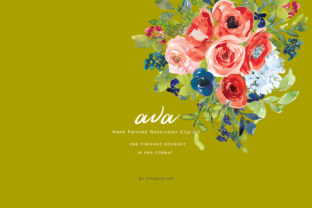
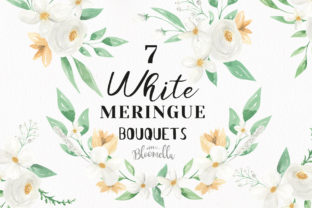
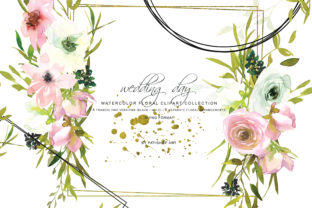
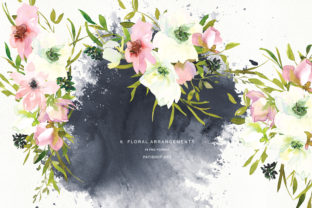
At first glance, Watercolor Blush and White Florals exudes a gentle, romantic mood. The color palette relies on soft pinks and crisp whites, creating an aesthetic that feels timeless rather than trendy. In the realm of Illustrations, this style mimics the organic flow of watercolor paint, which presents a unique challenge for digitizers. The goal is to capture that bleeding, soft edge without losing the structural integrity required for embroidery.
The layout suggests a balanced composition, ideal for centering on various items. However, the visual personality here is delicate. It screams "heirloom quality" or "boutique charm." If you are looking for bold, graphic statements, this might not be your go-to. But for those aiming to create high-end handmade products or personalized gifts that feel curated and thoughtful, the design's inherent softness is a significant asset. It invites the viewer to look closer, promising a tactile experience that matches its visual gentleness.
Real-World Application: From Tote Bags to Nursery Decor
To truly test Watercolor Blush and White Florals, I imagined a specific scenario: preparing a custom embroidered tote bag for a local boutique client. The client wanted something that felt feminine but durable enough for daily use. When I loaded the embroidery file into my machine, the stitch path revealed a careful balance of fill stitch and satin stitch. The white elements likely rely on precise satin borders to define the petals against the blush background, while the softer areas utilize a dense fill to mimic the watercolor wash.
In this context, the design shines on natural fabrics like canvas or linen. The texture of the fabric helps break up the stiffness of the thread, making the floral motif appear more organic. I can also see this working beautifully as baby embroidery on a muslin blanket or a cotton bodysuit. The lack of harsh colors makes it perfect for nursery decor, where parents seek calming visuals. For an Etsy seller, this design offers versatility. It fits seamlessly into holiday collections, wedding favors, or even as a decorative element on kitchen towels and aprons.
However, the transition from screen to sweatshirt requires caution. On a sweatshirt embroidery project, the thickness of the fleece could obscure the finer details of the white flowers if the stitch density is too low. The design demands a stable base to ensure the soft gradients don't look muddy. If you plan to use this for commercial embroidery on apparel, the choice of stabilizer becomes critical. A cut-away stabilizer would provide the necessary support to prevent puckering, ensuring the finished product maintains its shape after multiple washes.
Where Caution Is Required
While Watercolor Blush and White Florals is versatile, it is not a one-size-fits-all solution. There are specific scenarios where this design needs careful handling:
- Small Hoop Sizes: If you attempt to shrink this design to fit a 4x4 hoop, the delicate transitions between the blush and white may become indistinguishable. The detail level is best preserved at medium to large scales.
- Dark Fabrics: The white components of the design will stand out brilliantly on dark backgrounds, but the blush tones might get lost without a strong backing. You may need to adjust the thread colors or add a layer of underlay to ensure visibility.
- Stretchy or Thin Fabrics: On jersey knit or silk, the density of the fill stitch could cause significant puckering. Always test on scrap fabric first to gauge how much tension the design places on the material.
- Curved Surfaces: Using this design on caps or hats requires careful placement. The organic shapes might distort if placed over a curved seam, so flat panels are preferable.
Impact on Brand Value and Customer Trust
For creative entrepreneurs and small shop owners, the quality of your design assets directly influences customer trust. A poorly executed floral design can make a brand look amateurish. Conversely, a well-stitched version of Watercolor Blush and White Florals elevates the perceived value of the item. When a customer receives a custom apparel piece with crisp, clean stitching and vibrant yet soft colors, they perceive higher craftsmanship.
This design enhances the giftability of your products. Whether it is a holiday gift or a personalized keepsake, the aesthetic appeal drives engagement. On platforms like Etsy, high-quality printable mockups showcasing this design can significantly boost click-through rates. Customers want to visualize the final result before buying. Showing the design on a realistic tote bag design or pillow cover mockup helps them connect emotionally with the product.
Furthermore, consistency is key for boutique branding. If you build a collection around this floral theme, using it across different mediums—patches, clothing, home decor—you create a cohesive brand identity. The embroidered patch version of this design could serve as a premium accessory for denim jackets or bags, adding a touch of elegance that mass-produced patches lack.
Practical Designer Notes for Success
Before committing to a full production run or selling items featuring Watercolor Blush and White Florals, follow these practical steps to ensure success:
- Test on Scrap Fabric: Never skip the test run. Stitch the design on the exact fabric and stabilizer you plan to use. Check for pulling, puckering, or thread breaks.
- Review Thread Contrast: Ensure the white and blush threads have enough contrast against your chosen fabric. Sometimes a slight shift in shade can improve clarity.
- Check Stitch Density: Inspect the back of the test stitch. If the fabric shows through too much, the density is too low. If it is stiff, it is too high.
- Confirm Licensing: As a professional, always verify the licensing terms. Can you sell finished goods? Can you resell the digital embroidery file? Understanding these boundaries protects your business.
- Mockup in Black and White: Test the design in grayscale to see if the tonal values hold up. This helps identify areas where the watercolor effect might lose definition.
In conclusion, Watercolor Blush and White Florals is a strong contender for designers seeking to add a touch of soft elegance to their portfolio. It is not merely an applique design or a simple pattern; it is a tool for storytelling through thread. By respecting its limitations and leveraging its strengths, you can create small shop products that resonate deeply with customers. Whether you are crafting a single personalized gift or launching a new line of commercial embroidery, this design offers the potential for beautiful, professional results when handled with care and expertise.