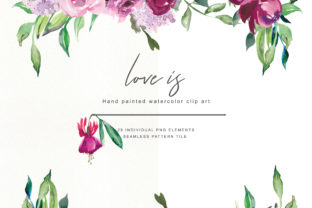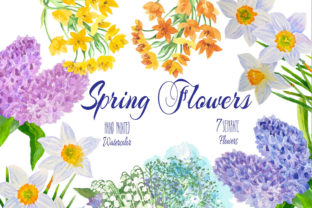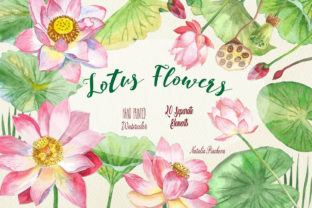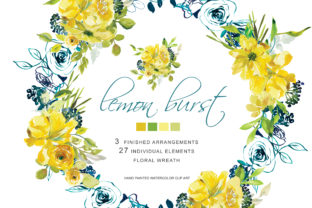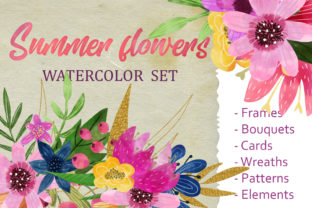
Watercolor Clipart Flowers & Illustrations
As a brand designer who has spent years curating visual identities for small businesses and digital entrepreneurs, I know that the difference between a campaign that converts and one that gets scrolled past often comes down to texture. Recently, while prepping a seasonal launch for a boutique wellness brand, I needed an asset that felt organic yet polished. That is when I pulled up the Watercolor Clipart Flowers collection. In the world of digital product creation and marketing visuals, finding illustrations that balance artistic flair with commercial utility is rare. This review explores how this specific graphic design asset performs in real-world branding scenarios.
The First Impression: Mood and Emotional Resonance
When you first open the file set, the immediate impression is one of softness and approachability. Unlike rigid vector shapes or hyper-realistic photography, these illustrations carry a human touch. The watercolor medium inherently suggests creativity, care, and a handmade quality. For a brand owner targeting an audience that values authenticity—think yoga instructors, artisan soap makers, or lifestyle bloggers—this emotional tone is invaluable. It signals that the brand is not a faceless corporation but a curated experience.
However, the mood can shift depending on execution. If paired with stark, industrial typography, the flowers create a striking contrast that feels modern and edgy. If paired with script fonts, they lean into a romantic, vintage aesthetic. As a content marketer, I see this versatility as a major strength. These Watercolor Clipart Flowers are not just decorative; they are psychological cues that influence audience trust by making the brand feel more relatable and less transactional.
Integrating Into Real Marketing Workflows
To test the practical value of this asset, I integrated it into a mock campaign for a new line of herbal teas. The goal was to create a cohesive look across multiple channels without hiring a custom illustrator for every single piece. Here is how the graphic design asset performed in various contexts:
- Social Media Graphics: On Instagram and Pinterest, where visual hierarchy is king, the flowers served as perfect framing elements. They guided the eye toward the call-to-action without overwhelming the text. The transparency of the PNG files allowed them to blend seamlessly over background photos.
- Packaging Design and Product Labels: One of the most exciting uses was on digital packaging mockups. The delicate petals added a premium feel to simple kraft paper labels, elevating the perceived value of the product instantly.
- Email Banners and Web Headers: In email marketing, load times matter. These optimized images loaded quickly while adding a splash of color that broke up the monotony of standard HTML templates.
- Digital Ads and Lead Magnets: For Facebook ads promoting a free guide, the floral accents made the ad stand out in a crowded feed. They softened the "salesy" nature of the ad, making it feel more like a helpful resource.
This versatility proves that Watercolor Clipart Flowers are not limited to a single niche. Whether you are building a Canva template for clients or designing a printable design for your own shop, these assets adapt well to different formats.
Strategic Branding: Consistency and Recognition
Consistency is the backbone of professional branding. Using a cohesive set of design assets ensures that your audience recognizes your work immediately. By using the same floral motifs across your logo, social media covers, and editorial design, you create a visual language that becomes synonymous with your brand identity.
I found that these flowers worked exceptionally well as recurring motifs. A small cluster of blooms in the corner of every blog post or a subtle watermark on digital downloads created a sense of continuity. This repetition builds familiarity, which directly impacts brand recognition. When customers see those specific watercolor strokes, they should immediately think of your business. This is particularly effective for small business branding where budget constraints often prevent the creation of custom iconography from scratch.
Where to Use With Caution
While Watercolor Clipart Flowers are powerful, they are not a universal solution. As a designer, I must advise caution in certain environments. Formal corporate branding, such as legal firms or heavy-tech startups, might find these illustrations too whimsical or unprofessional. In dense information layouts, such as complex infographics or data-heavy reports, the organic shapes can compete with the data, reducing readability.
Furthermore, be mindful of low-contrast backgrounds. Watercolors rely on their translucency. Placing a light pink flower on a white background may render it invisible. Similarly, on mobile screens, if the file size is too large or the details too fine, the image may appear muddy. Always preview your web design elements on actual devices before launching a campaign.
Practical Designer Notes for Implementation
To get the most out of this commercial design bundle, follow these best practices:
- Test Color Harmony: Do not assume the default colors will match your palette. Use adjustment layers to tint the flowers to align with your brand's primary and secondary colors.
- Font Pairing Matters: These illustrations pair beautifully with serif fonts for a classic look, or handwritten scripts for a personal touch. Avoid pairing them with overly aggressive display fonts unless aiming for a specific high-fashion editorial vibe.
- Check Licensing: Before using any clipart in paid campaigns or client work, verify the commercial license. Ensure you have the rights to use the asset in merchandise, advertising, and resale products.
- Mockup Everything: Never judge an asset in isolation. Place the SVG design or PNG into a real mockup—a coffee cup, a tote bag, or a phone screen—to see how it holds up in context.
- Balance and Spacing: Resist the urge to fill every inch of white space. Let the flowers breathe. Negative space is crucial for maintaining a premium feel and ensuring the main message remains clear.
Final Verdict for Content Creators
In conclusion, Watercolor Clipart Flowers represent a high-value addition to any creative entrepreneur's toolkit. They bridge the gap between professional polish and artistic soul. For marketers looking to enhance their content marketing strategy without breaking the bank, these illustrations offer a cost-effective way to elevate visual storytelling. Whether you are launching a new product, refreshing your social media presence, or simply trying to make your digital ads pop, these assets provide the emotional connection and visual consistency needed to succeed in today's saturated market. Just remember to use them intentionally, respecting their strengths and limitations, to ensure your brand communication remains clear, compelling, and authentic.