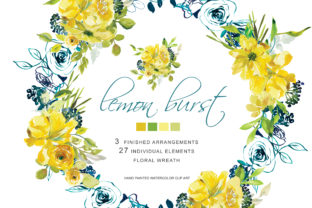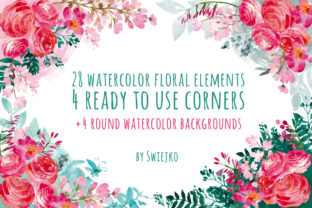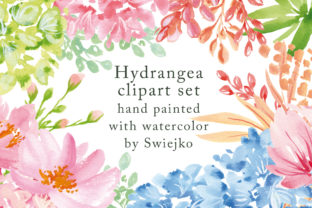
Watercolor Flowers Berries and Leaves Illustrations
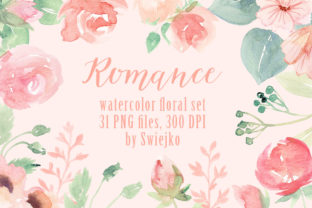
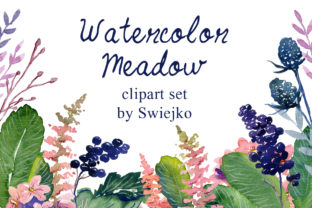
As a digital product creator who has spent years curating assets for Etsy, Creative Fabrica, and Shopify stores, I approach every new graphic design asset with a critical eye. My goal is always to determine if an illustration can translate into a profitable digital download or a high-quality print-on-demand item. Recently, I evaluated a set titled Watercolor Flowers Berries and Leaves. This collection immediately stood out not just for its aesthetic charm, but for its potential versatility across various creative marketplaces. Before diving into specific applications, it is essential to understand the visual personality of these Illustrations. The mood strikes a perfect balance between rustic elegance and modern femininity. The soft washes of color suggest a handmade quality that buyers in the wedding, nursery, and home decor niches actively seek. Unlike flat vector graphics, these watercolor textures add depth and perceived value, making them ideal for small business branding that wants to feel personal yet professional.
First Impressions and Niche Appeal
The first thing I noticed when opening the files was the organic flow of the petals and the delicate texture of the berries. This style fits perfectly into the "boho-chic" and "cottagecore" trends that continue to dominate platforms like Pinterest and Instagram. For an Etsy seller, this means the asset appeals to a demographic looking for warmth and nature-inspired aesthetics. Whether you are creating greeting cards, planner stickers, or nursery prints, the visual hierarchy of Watercolor Flowers Berries and Leaves allows the eye to rest naturally on the focal points without feeling cluttered. It feels premium yet accessible, which is crucial for driving click-through rates on marketplace listings. The illustrations do not scream "commercial stock"; instead, they whisper "artisanal creation," a distinction that can significantly impact customer trust and conversion.
Real-World Product Applications
The true test of any commercial design lies in how well it performs across different product formats. In my testing phase, I explored several avenues where Watercolor Flowers Berries and Leaves could serve as a core component of a product line. For sublimation designs, the transparency of the PNG files makes them excellent for tumbler wraps and mug designs. The soft edges blend seamlessly onto curved surfaces without harsh lines. I also experimented with using these elements as SVG designs for Cricut projects. While watercolor styles can sometimes pose challenges for cutting machines due to lack of solid fill areas, the berry clusters and distinct leaf shapes provided clean cut lines suitable for vinyl decals and iron-on transfers.
Beyond physical goods, the potential for printable products is immense. I envisioned these Illustrations as central elements in digital paper packs and scrapbooking kits. They work beautifully as corner accents for invitation templates or as full-page backgrounds for journaling cards. For content creators and bloggers, these assets can be repurposed into social media graphics, blog headers, and promotional visuals that maintain brand consistency. If you sell Canva templates, incorporating Watercolor Flowers Berries and Leaves adds a layer of sophistication that elevates a standard template into a premium offering. The ability to mix and match flowers, leaves, and berries allows for endless variations, enabling sellers to create large design bundles without the images looking repetitive.
Strategic Use in Product Presentation
A successful online shop relies heavily on mockup previews and thumbnail appeal. Watercolor Flowers Berries and Leaves excels in this area. When placed on a white background within a product mockup, the colors pop, drawing immediate attention. However, their utility extends beyond simple placement. These illustrations help tell a story. A listing image showing a tote bag print featuring these botanicals suggests a lifestyle of leisure and nature appreciation. This visual storytelling is key to building a cohesive brand identity. By using these assets consistently across your packaging design, social media promos, and digital downloads, you create a recognizable look that customers associate with your shop. The perceived value of a product often hinges on the quality of its presentation, and high-resolution watercolor textures contribute significantly to a polished, professional appearance.
Optimal Environments for the Asset
While versatile, Watercolor Flowers Berries and Leaves shines brightest in specific contexts. Large product previews benefit most from the intricate details of the brushstrokes. Themed bundles, such as a "Spring Wedding Collection" or a "Botanical Nursery Set," allow these illustrations to anchor the entire design concept. They are particularly effective in decorative layouts where negative space is used effectively to let the art breathe. For merchandise graphics, the soft gradients work well on light-colored fabrics, ensuring the design does not appear muddy. In digital downloads, these assets can serve as the hero image for a listing, instantly communicating the style of the product to potential buyers scrolling through a crowded creative marketplace.
Cautions and Limitations
Despite their strengths, there are scenarios where these Illustrations should be used carefully. Tiny sticker details might lose definition if the resolution is not sufficient, so scaling down too much can result in pixelation. Overly complex layouts that crowd the flowers with other elements can diminish their natural beauty and make the design look chaotic. Low-resolution print products are a definite no-go; the subtle watercolor effects require high DPI to render correctly. Additionally, placing these bright, airy designs on dark backgrounds can sometimes cause contrast issues, making the details hard to see unless adjusted properly. Text-heavy templates might also suffer if the floral elements compete with the typography rather than complementing it. Finally, for Cricut or Silhouette projects requiring precise weeding, the gradient areas of the watercolor style may need to be converted to solid fills or used purely as print-and-cut overlays rather than die-cut shapes.
Practical Seller Notes and Testing Protocols
Before publishing any listing, I recommend a rigorous testing protocol. First, test the design on real mockups to see how the colors translate on different materials. Preview the asset as a marketplace thumbnail to ensure it remains legible at small sizes. Check how Watercolor Flowers Berries and Leaves looks on both white and dark backgrounds to determine the best use cases. Always verify PNG transparency to avoid unwanted white boxes around the edges. If using SVG files, inspect the cut quality to ensure paths are closed and smooth. Confirm file resolution meets the requirements of your target platform, whether it is 300 DPI for print or optimized web size for digital downloads.
Organization is another critical factor. Organize files clearly for customers, separating layers by element type. Pair these illustrations with complementary typography, such as a flowing script font for a romantic feel or a clean sans serif font for a modern twist. A handwritten font can enhance the artisanal vibe, while a display font might work for bold headlines. Most importantly, confirm the commercial licensing before selling finished products. Ensure you have the rights to use these graphic design assets in items for resale, including print-on-demand services. By following these steps, you can confidently integrate Watercolor Flowers Berries and Leaves into your portfolio, creating a diverse range of digital products that resonate with buyers and drive sales.