Watercolor Lilac Flowers: A Designer Review
As a designer who has spent years translating digital art into tangible stitched goods, I approach every new machine embroidery design with a mix of excitement and skepticism. The gap between a beautiful screen image and a successful finished product can be wide. When I first opened the file for Watercolor Lilac Flowers, I was immediately struck by its soft, dreamy aesthetic. It falls squarely into the Illustrations category, but unlike many rigid vector files, this piece captures the fluidity of watercolor painting in a way that feels organic rather than forced. Before I recommend it to my clients or use it in my own small shop, I need to evaluate how it holds up under the needle.
The First Impression: Mood and Visual Personality
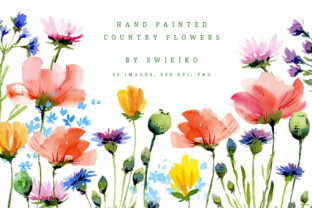
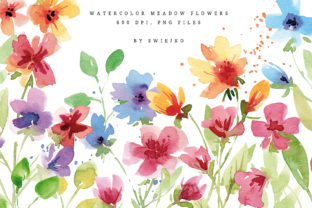
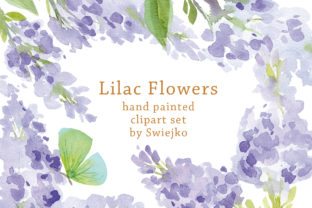
The visual personality of Watercolor Lilac Flowers is undeniably gentle. The layout suggests a cluster of blooms where petals seem to bleed slightly into one another, mimicking the wet-on-wet technique of traditional painting. For an embroidery project, this is a double-edged sword. On one hand, it offers a sophisticated look that elevates simple fabrics. On the other, achieving that "bleeding" effect without creating a muddy mess requires careful planning regarding stitch density and thread selection.
In my experience, designs like this work best when they are allowed to breathe. They are not suited for tight, industrial applications. Instead, they scream for placement on items where texture and softness are key selling points. The color palette, dominated by lilacs and soft purples, naturally evokes spring, renewal, and nostalgia. This makes it an excellent candidate for seasonal collections, particularly for Easter, Mother's Day, or baby showers.
A Real-World Scenario: The Custom Tote Bag Project
To truly test the viability of this embroidery file, I imagined a specific scenario: preparing a custom embroidered tote bag for a local boutique client. The client wanted something that felt artisanal and unique, distinct from the mass-produced canvas bags found in big-box stores. I visualized placing Watercolor Lilac Flowers on a natural, unbleached cotton tote.
The contrast between the raw fabric texture and the delicate, painted look of the flowers would create immediate visual interest. In this context, the design transforms a utilitarian item into a fashion accessory. However, the success hinges on execution. If the fill stitch is too dense, the soft edges will disappear, turning the watercolor effect into a solid block of purple. If it is too sparse, the design might look unfinished. The key lies in balancing the satin stitch outlines with the fill areas to maintain that artistic blur while ensuring the stitches hold together during daily use.
I also considered how customers would react. Shoppers looking for handmade products often seek a sense of connection and story. A tote bag featuring this design tells a story of nature and calm. It fits perfectly within the aesthetic of a craft business owner selling on Etsy or at a local market. The design adds perceived value to the product, allowing the maker to charge a premium for the "handcrafted" feel, even if the production is machine-assisted.
Navigating Fabric and Placement Challenges
While Watercolor Lilac Flowers is versatile, it is not a "set it and forget it" design. There are specific situations where caution is required. For instance, using this design on stretchy fabrics like jersey knit for a sweatshirt requires significant attention to stabilizer choice. Without a proper tear-away or cut-away stabilizer, the tension of the stitching could distort the soft curves of the petals, ruining the watercolor illusion.
Similarly, dark fabrics present a challenge. The light lilac tones rely on negative space and subtle shading. On black or navy material, you would likely need to add a white underlay to make the colors pop, which changes the overall look significantly. It might lose some of its ethereal quality and become more graphic. Therefore, I would advise against using this design on dark backgrounds unless you are prepared to adjust the thread colors and layering strategy extensively.
Another area of concern is curved surfaces, such as caps or hats. The organic shape of the flower cluster is somewhat rectangular in its bounding box. Trying to fit this onto the rounded front panel of a baseball cap could lead to puckering or distortion in the corners. It is far better suited for flat surfaces like pillow covers, aprons, tea towels, or the chest area of a t-shirt. For baby clothes, the soft theme is perfect, but the size must be scaled carefully to ensure the details remain visible after washing.
Practical Notes for the Professional Maker
If you decide to incorporate Watercolor Lilac Flowers into your commercial embroidery projects, there are several practical steps to take before committing to a full production run. First, always test the design on scrap fabric that matches your final product. This allows you to check the stitch density and see how the threads interact with the specific weave of your chosen material.
Review the hoop size requirements carefully. While the design may look small on screen, the hoop needed to accommodate the entire cluster might be larger than expected. Ensure your machine and workspace can handle the dimensions. Additionally, inspect the small details. Watercolor effects often rely on fine lines or tiny gaps between petals. If these are too thin, they might get lost in the stitching process or break easily during wear.
For those selling finished goods, consider creating a printable mockup to show potential buyers how the design looks on different products. This builds customer trust and helps manage expectations. You can compare light and dark fabric backgrounds in your mockups to guide your inventory decisions. Finally, confirm the licensing terms. As a digital product seller or small shop owner, you must know if you are allowed to sell items made with this design or if you can offer the digital embroidery file itself to others.
Final Verdict on Commercial Viability
Watercolor Lilac Flowers is a strong asset for designers who understand the nuances of translating art into thread. It excels in creating personalized gifts, holiday embroidery items, and boutique branding materials. Its ability to evoke emotion and style makes it a favorite for custom apparel and home decor. However, it demands respect for the medium. It is not a design to be rushed.
When used correctly on appropriate fabrics with the right stabilizers, it produces a finished product that feels luxurious and thoughtfully designed. It bridges the gap between digital art and tactile craft beautifully. For the Etsy seller or craft business owner looking to stand out with high-quality, visually appealing merchandise, this design offers a fantastic opportunity to showcase skill and taste. Just remember: test first, stabilize well, and let the soft beauty of the lilacs shine through the stitches.