Party Time Watercolor Collection: A Designer Review
As a designer who has spent years navigating the gap between digital mockups and physical stitched reality, I approach every new machine embroidery design with a mix of excitement and skepticism. The latest release, the Party Time Watercolor Collection, immediately caught my eye for its vibrant aesthetic. However, the real test isn't how it looks on a screen; it is how it translates when thread meets fabric. For small business owners, Etsy sellers, and crafters looking to elevate their product line, understanding the practical application of this collection is crucial before committing to production.
The Visual Mood and Design Intent
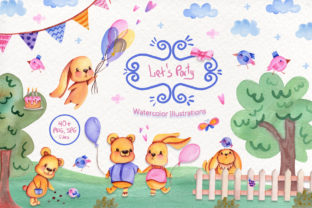
At first glance, the Party Time Watercolor Collection exudes a playful, celebratory energy that fits perfectly within the broader category of Illustrations. The shapes are fluid, mimicking the organic bleed of watercolor paint, which suggests a soft, artistic finish rather than rigid geometric lines. This visual personality makes it an ideal candidate for projects requiring a touch of whimsy. When I visualize this as a tote bag design or a festive apron, the potential for creating a standout handmade product is evident. The layout feels balanced, avoiding the cluttered look that often plagues busy party-themed assets.
However, the "watercolor" effect in embroidery relies heavily on specific stitching techniques. Unlike a standard vector graphic, achieving this look requires careful manipulation of fill stitch density and color blending. If you are planning to use this for custom apparel, you must consider whether your machine can handle the subtle gradations required to mimic paint. The design's strength lies in its ability to soften the harshness of traditional embroidery, making it suitable for baby items, nursery decor, and boutique branding where a softer aesthetic is preferred.
Real-World Application: From Screen to Stitch
To truly evaluate the Party Time Watercolor Collection, I imagined a recent project: a limited-run batch of embroidered sweatshirts for a local boutique. The goal was to create a high-value finished product that felt unique and artisanal. In this scenario, the collection's fluid shapes would work exceptionally well on the chest pocket area or the back yoke of a heavy cotton sweatshirt. The bulk of the garment provides a stable base, allowing the intricate details of the embroidery file to sit flat without puckering.
For Etsy sellers and craft fair vendors, the versatility of this collection extends beyond clothing. Imagine applying these designs to pillow covers or tea towels for holiday gifts. The festive nature of the "Party Time" theme aligns perfectly with seasonal demand. When placed on a neutral-colored kitchen towel, the vibrant thread colors inherent in the design pop beautifully, increasing the perceived value of the item. Customers often pay a premium for items that look professionally designed yet retain a handmade charm, and this collection delivers exactly that balance.
Furthermore, if you are producing embroidered patches, the distinct outlines and colorful fills of the Party Time Watercolor Collection translate well into cut-out shapes. These patches could be sold individually or used to upgrade plain denim jackets and backpacks. The key here is ensuring the stitch count is optimized so the patch remains flexible enough to sew onto curved surfaces without becoming too stiff.
Navigating Fabric Challenges and Limitations
While the potential is high, experienced designers know that no design is universally perfect. There are specific scenarios where the Party Time Watercolor Collection requires extra caution. First, consider the fabric texture. On highly textured fabrics like linen or thick canvas, the fine details of the watercolor effect might get lost. The thread may not lay smoothly against the weave, causing the intended soft gradients to appear muddy.
Similarly, using this design on thin or stretchy fabrics, such as jersey knit t-shirts, demands significant attention to stabilizer choice. Without proper backing, the tension from the dense areas of the design could cause the fabric to pucker, ruining the professional look of your personalized gift. Dark fabrics present another challenge; the light, airy nature of a watercolor style might struggle to stand out unless you utilize a high-density underlay or a white topstitch technique, which adds time and cost to your production process.
Curved surfaces like caps also require scrutiny. The organic shapes in this collection might distort if mapped incorrectly to a curved hoop. Always check the hoop size requirements and ensure the design fits comfortably without stretching the image. Additionally, avoid placing tiny lettering or extremely detailed corners in high-stress areas of a garment, such as near seams or elastic bands, as these areas are prone to wear and tear during frequent washing.
Practical Notes for Professional Execution
Before integrating the Party Time Watercolor Collection into your commercial workflow, there are several critical steps to take. First, always test the design on scrap fabric that matches your final product. This allows you to verify the stitch density and adjust settings if necessary. Pay close attention to how the satin stitch and running stitch elements interact with the fill areas. You want to ensure there are no gaps that show the background fabric through, nor excessive thread buildup that creates a hard lump.
Check your thread colors carefully. The watercolor effect relies on specific shades to create depth. Using the wrong variances can flatten the design, making it look like a solid block of color rather than a painted illustration. It is also wise to review the design in black and white mockups to assess contrast levels, especially if you plan to offer it on dark backgrounds. Comparing light and dark fabric options will help you determine the best applications for your inventory.
For those running a craft business, licensing is paramount. Confirm whether the digital embroidery file includes rights to sell finished goods or if it is restricted to personal use. Selling items made with unlicensed designs can lead to legal issues and damage your brand reputation. Once you have confirmed the terms, you can confidently use the design assets to create commercial embroidery projects that drive sales.
Finally, remember that the success of any embroidery project lies in the preparation. Use the appropriate stabilizer, secure your fabric tightly in the hoop, and perform a thorough inspection after stitching. By treating the Party Time Watercolor Collection with the same care you would give to a custom client order, you ensure that every small shop product you create maintains the highest standard of quality. This attention to detail builds customer trust and encourages repeat business, turning a simple design into a cornerstone of your creative enterprise.