Spring Watercolor: A Designer's Real-World Review
As a designer who has spent years navigating the gap between digital mockups and physical stitched reality, I approach every new machine embroidery design with a mix of excitement and skepticism. The Spring Watercolor illustration caught my eye immediately for its soft aesthetic, but the real test lies in how it translates from a screen to fabric. When evaluating an embroidery file for a craft business or personal project, we must look beyond the pretty preview and ask if it will hold up under the needle, survive the wash, and appeal to our customers.
The First Impression: Mood and Visual Personality
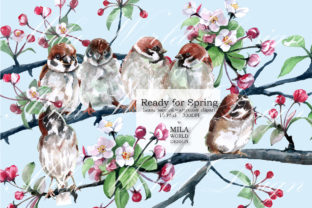
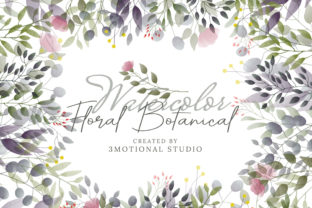
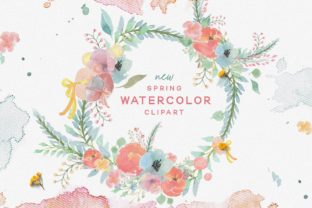
At first glance, Spring Watercolor exudes a gentle, organic charm that fits perfectly into the current trend of nature-inspired decor and apparel. The design leans heavily on the fluidity typical of watercolor paintings, suggesting soft edges and blended hues rather than hard lines. For an Etsy seller or boutique owner looking to expand their spring collection, this mood is invaluable. It signals freshness and creativity without feeling cluttered.
However, the challenge with any watercolor-style illustration in embroidery is capturing that "bleeding" effect using thread. Unlike digital art where pixels blend seamlessly, embroidery relies on stitch direction and density to create the illusion of softness. In this specific design, the layout appears balanced, avoiding the trap of being too busy. It feels like a piece that could anchor a tote bag design or serve as a focal point on a sweatshirt embroidery project. The visual personality is inviting, making it a strong candidate for personalized gifts or nursery decor where a softer touch is preferred over bold graphics.
Testing the Design in Real-Life Scenarios
To truly understand the potential of Spring Watercolor, I visualized it on a few common products I frequently work with. Imagine a high-quality cotton tote bag intended for a local craft fair. Placing this design on the front panel would offer a beautiful contrast against the natural weave of the fabric. The soft gradients implied by the illustration would likely require careful thread color selection to avoid looking muddy. If executed well, this becomes a standout handmade product that customers can't resist picking up.
Consider also a baby item, such as a onesie or a blanket. Baby embroidery requires designs that are not only cute but also safe and durable. The rounded shapes inherent in the Spring Watercolor style suggest it would sit well on curved surfaces without puckering, provided the correct stabilizer is used. For holiday embroidery projects, this design could be adapted into a seasonal theme, perhaps adding subtle floral elements to create a unique holiday gift that stands out from standard red-and-green motifs.
For small shop owners creating commercial embroidery assets, the versatility here is key. This design could work beautifully as an embroidered patch sewn onto denim jackets or canvas aprons. The ability to scale the design while maintaining its integrity is crucial. If you are planning to sell these as finished products, the clarity of the image after stitching determines your brand consistency. A blurry or undefined edge on a high-end garment can damage customer trust, so understanding how the fill stitch and satin stitch interact in this specific file is essential before mass production.
Navigating Fabric Challenges and Technical Limits
While Spring Watercolor looks promising, there are scenarios where caution is required. Textured fabrics like heavy wool or thick fleece can obscure the delicate details of a watercolor-style design. The intricate shading might get lost in the nap of the fabric, turning a sophisticated illustration into a blob of thread. Similarly, thin or stretchy fabrics pose a risk; without proper hooping and backing, the density of the stitches could cause the fabric to pucker or warp, ruining the finished product.
Dark fabrics present another hurdle. Watercolor effects often rely on light backgrounds to show depth. Stitching this design directly onto black or navy fabric might require significant digitization adjustments or the use of an applique design technique to provide a base layer. If you attempt this on a dark sweatshirt without testing first, the result may lack the vibrancy needed to sell. Additionally, curved surfaces like caps demand a smaller hoop size and careful placement. The detailed corners of the illustration need to remain visible even when wrapped around the brim of a hat.
Practical Notes for the Professional Maker
Before committing Spring Watercolor to a client order or a batch of inventory, I always follow a strict protocol. First, test the design on scrap fabric that matches your final material. This allows you to check the stitch density and ensure the thread colors pop as expected. You might find that a running stitch outline works better than a dense fill stitch to maintain that airy, watercolor feel.
Review the hoop size requirements carefully. If the design is large, ensure your machine can accommodate it without constant re-hooping, which can misalign the pattern. Inspect the small details closely; sometimes what looks clear on a monitor disappears when stitched at 400 DPI. Test it in black and white mockups to see if the contrast holds up, as this helps predict how it will look on various background colors.
Always use the proper stabilizer. For a design with this much detail, a tear-away or cut-away stabilizer depending on the fabric weight is non-negotiable. Check whether the design works for both personal and commercial projects by confirming the licensing terms. As a digital product seller or creative entrepreneur, selling items made with unlicensed files can lead to legal trouble. Ensure you have the rights to use Spring Watercolor for your small business merchandise.
Final Verdict on Value and Appeal
In conclusion, Spring Watercolor offers a refreshing take on spring-themed Illustrations for those willing to put in the technical prep work. Its impact on visual appeal is high, potentially increasing the perceived value of your handmade products. When stitched correctly, it enhances buyer engagement by offering something that feels artisanal and thoughtful rather than mass-produced.
Whether you are an experienced embroiderer or a hobbyist starting your first craft business, this design asset has the potential to elevate your portfolio. Just remember that the magic happens in the execution. By respecting the limitations of the medium and testing thoroughly, you can turn this digital file into a stunning, tangible piece of art that customers will love to wear, use, and gift.