Ready for Spring Watercolor Clip Art Review
As a designer who has spent years translating digital art into tangible thread, I approach every new asset with a critical eye. When I first opened the file for Ready for Spring Watercolor Clip Art, my immediate thought was about texture and translation. Watercolor is inherently fluid, bleeding softly at the edges, while embroidery is rigid, built on precise mathematical paths of satin stitch, fill stitch, and running stitch. The challenge with this specific design is capturing that dreamy, organic mood without losing definition under the needle. This piece belongs to the Illustrations category, but its true value lies in how well it performs when stitched onto real fabric.
The Mood and Visual Personality
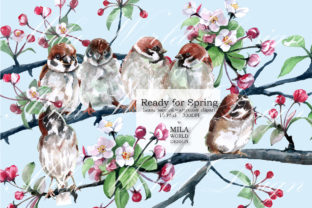
The first impression of Ready for Spring Watercolor Clip Art is one of gentle optimism. It captures that fleeting moment between winter and bloom, perfect for seasonal collections. Visually, the layout is balanced, avoiding the clutter that often plagues spring-themed graphics. However, as an experienced reviewer, I look beyond the screen. The soft gradients in the original clip art suggest a need for careful color blending in the final machine embroidery design. If you are planning to use this for a boutique product or a personalized gift, the visual personality needs to remain legible once converted to thread. The shapes are distinct enough to hold their form, but the delicate nature of watercolor means we must be mindful of stitch density. Too much density will turn those soft washes into heavy blocks of color, killing the artistic vibe.
A Real-World Scenario: The Custom Tote Bag Project
To truly evaluate this asset, let’s place it in a real scenario. Imagine you are an Etsy seller preparing a line of custom tote bags for the upcoming spring market. You want something that feels handmade yet professional. You select Ready for Spring Watercolor Clip Art to feature on a natural canvas tote. In this context, the design shines. The soft edges of the watercolor style mimic the weave of the canvas beautifully, creating a cohesive aesthetic that customers love.
However, execution is key. If you attempt this on a dark-colored bag without adjusting the background, the light pastel tones might get lost. You would likely need to add a white underlay or choose a lighter fabric base to ensure the thread colors pop. For a sweatshirt embroidery project, the same logic applies. On a heather grey hoodie, the design adds a touch of whimsy, but on a black garment, it requires significant adaptation to maintain visibility. This is where your judgment as a designer comes in; the file provides the foundation, but your material choices determine the success of the finished product.
Navigating Fabric and Hoop Challenges
While Ready for Spring Watercolor Clip Art is versatile, it is not a "set it and forget it" solution for every surface. There are specific situations where this design demands caution. First, consider small hoop sizes. If you are trying to fit this entire composition into a 4x4 inch hoop for a cap or a baby onesie, the details may become too dense. The delicate lines intended to look like watercolor drips could merge into muddy patches if the hoop size is too restrictive.
Texture is another factor. On highly textured fabrics like terry cloth or thick denim, the fine details of the watercolor effect might struggle to register clearly. Similarly, stretchy fabrics require a robust stabilizer strategy. Without proper support, the tension from the fill stitch can distort the soft curves of the design, making it look warped rather than fluid. For projects involving frequent washing, such as kitchen towels or aprons, you must ensure the stitch count isn't so high that it causes puckering over time. Always test the design on scrap fabric first to see how the machine handles the transition between the solid areas and the airy, watercolor-like sections.
Enhancing Product Value and Brand Consistency
For small business owners and creative entrepreneurs, the choice of design assets directly impacts brand perception. Using Ready for Spring Watercolor Clip Art allows you to offer a unique, artistic alternative to standard block-letter logos or generic floral patterns. This elevates the perceived value of your handmade product. Customers buying a personalized item expect quality and attention to detail. A well-executed version of this design signals that you understand the nuances of commercial embroidery and care about the final presentation.
When creating printable mockups for your shop listings, remember that the screen image is more vibrant than the stitched reality. To manage customer expectations, show photos of actual stitched samples alongside your digital previews. This builds trust and reduces returns. Whether you are selling a single embroidered patch or a full line of custom apparel, consistency is vital. Ensure that the way you render this design matches your brand's color palette and overall aesthetic. If your brand is bold and graphic, this soft watercolor style might feel out of place unless adapted carefully.
Practical Designer Notes for Success
- Test Before Committing: Never skip the test run on scrap fabric. Check how the machine interprets the gradient areas and adjust the stitch density if necessary.
- Color Contrast Matters: Review your thread colors against the fabric background. Light pastels need light backgrounds unless you plan to use extensive underlays.
- Stabilizer is Non-Negotiable: Use a high-quality stabilizer, especially for baby embroidery or items made from thin or stretchy materials.
- Licensing Check: Before selling finished items or offering this as a digital embroidery file, confirm the licensing terms. Ensure you have the right to use Ready for Spring Watercolor Clip Art for commercial purposes.
- Hoop Size Verification: Confirm that the design fits comfortably within your machine's hoop size without cutting off essential details.
In conclusion, Ready for Spring Watercolor Clip Art is a strong contender for spring collections, provided you respect the limitations of the medium. It offers a fresh, artistic direction for craft business owners looking to stand out. By understanding how to adapt the design for different fabrics and ensuring technical precision, you can create stunning pieces that resonate with buyers. Whether it's a holiday gift, a nursery decor item, or a signature piece for your shop, this design has the potential to elevate your work—if approached with the right expertise.