Mariner Watercolor Clip Art Review
As a designer who has spent years translating digital art into tangible thread, I approach every new asset with a critical eye. When I first opened the file for Mariner Watercolor Clip Art, my immediate reaction was one of cautious optimism. The watercolor aesthetic is trending heavily in the handmade market right now, but it is notoriously difficult to replicate in machine embroidery without losing its soul. My goal here is not just to describe the illustration, but to walk you through how this specific design translates from a screen to a finished product on your sewing table.
The First Impression: Capturing Flow in Thread
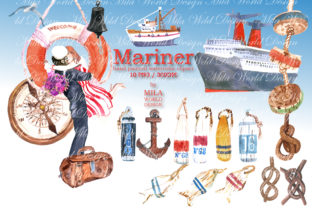
At first glance, the Mariner Watercolor Clip Art exudes a soft, coastal vibe that feels perfect for the current season. The mood is relaxed and organic, avoiding the rigid, blocky feel often found in standard nautical themes. The layout suggests movement, mimicking the way paint bleeds into paper. For an embroidery project, this visual personality is both the greatest strength and the biggest challenge. The design relies on subtle gradients and soft edges to sell the watercolor effect. In a digital format, this looks effortless. In stitch form, however, we have to work harder to maintain that illusion.
I immediately started thinking about where this would live. It feels too delicate for a rugged workwear jacket, but it screams "boutique" when imagined on a linen tote bag or a cotton baby blanket. The shapes are fluid, which means they will likely require a mix of fill stitch techniques to create texture rather than solid blocks of color. If you are looking for a sharp, high-contrast logo, this isn't it. But if you need a piece of art that adds a touch of whimsy to a handmade product, the potential is there.
Real-World Application: From File to Fabric
Let's talk about a real scenario. Imagine you are preparing a custom embroidered tote bag for a local craft fair. You want something that stands out against the sea of solid-color bags. Using Mariner Watercolor Clip Art on a natural, unbleached canvas could be stunning. The organic lines of the illustration would complement the texture of the fabric perfectly. However, the success of this tote bag design hinges entirely on how the software handles the conversion of those soft watercolor edges into stitches.
If you attempt to use this on a sweatshirt embroidery project, you need to be careful. Fleece and heavy cotton blends can sometimes swallow up fine details. The softer parts of the Mariner design might get lost in the nap of the fabric unless you adjust the stitch density significantly. Conversely, placing this on a smooth, tightly woven pillow cover allows the intricate details to shine. I also see a strong case for using this as an embroidered patch. Patches allow you to control the backing and stabilizer more precisely, ensuring the watercolor effect remains crisp even after being sewn onto denim or leather.
For Etsy sellers and small shop owners, the appeal of this Illustration lies in its versatility for gift-giving. Think about holiday embroidery projects or personalized gifts for a beach-themed baby shower. A onesie featuring a simplified version of this art, perhaps just the central motif, could be a bestseller. The key is understanding that while the source file is an illustration, the final output must be treated as a textile element. The thread colors you choose will make or break the watercolor illusion. Using variegated threads or carefully blending solids can mimic the look of wet paint far better than flat, single-tone stitching.
Navigating Challenges: Where Caution is Needed
While I love the concept, I must warn you about the pitfalls. This design should be used carefully on textured fabrics like burlap or heavy knits. The irregular surface can distort the delicate lines of the Mariner Watercolor Clip Art, making the watercolor effect look muddy rather than artistic. Similarly, thin or stretchy fabrics are risky. Without the proper stabilizer, the hoop tension required to hold the design steady can cause puckering, ruining the soft aesthetic you are trying to achieve.
Dark fabrics present another hurdle. Watercolor effects often rely on white space or light backgrounds to define their shape. Stitching this directly onto black or navy fabric without significant modification might result in a loss of definition. You may need to add a satin stitch border or a fill background to ensure the design pops. Also, avoid using this design in very small hoop sizes. The beauty of the watercolor style is in its flow; shrinking it down to fit a tiny cap or a keychain forces the machine to simplify the curves, potentially turning a beautiful illustration into a blob of thread.
Detailed corners and tiny lettering within the design are also areas to inspect closely. If the original clip art includes text, verify that the font size is large enough to remain legible after digitizing. Running stitch outlines can easily become jagged on curved surfaces like caps if the point count is too low. Always test the design on scrap fabric first. Check the back of the stitching to ensure there are no loose threads or excessive stabilizer residue that could irritate skin on items like baby embroidery or clothing.
Practical Designer Notes for Success
To truly leverage Mariner Watercolor Clip Art in your business, follow these practical steps. First, always review the digital embroidery file settings before loading it into your machine. Adjust the pull compensation if you notice gaps in the fill stitch. Second, compare the design on both light and dark fabric backgrounds using your software's preview mode. This helps you anticipate contrast issues before wasting thread.
Third, consider the commercial implications. If you plan to sell finished items, confirm the licensing terms. Ensure you have the right to use this machine embroidery design for commercial embroidery projects. Some licenses restrict the number of items you can sell or prohibit selling the digitized file itself. Fourth, create printable mockups to showcase the design in your online shop. Customers need to see how the watercolor effect translates to thread, so high-quality photos of a test run are essential for building buyer trust.
Finally, think about brand consistency. Does this soft, artistic style align with your other products? If your shop specializes in bold, industrial designs, this might feel out of place. However, for a boutique focusing on personalized gifts and home decor, it fits perfectly. By testing the design thoroughly, checking your stitch density, and choosing the right fabrics, you can turn Mariner Watercolor Clip Art into a signature piece for your craft business. It requires patience and a good eye, but the resulting finished product can be a true conversation starter that elevates your entire collection.