Vegetable Watercolor Clip Art: An Embroidery Review
As a designer who has spent years translating digital files into physical thread, I approach every new asset with a mix of excitement and skepticism. When I first encountered the Vegetable Watercolor Clip Art collection, my initial reaction was to appreciate the soft, organic aesthetic. However, moving from a screen to a hoop requires a critical eye. This review is not about selling you a file; it is about helping you understand how these illustrations translate into a tangible finished product for your craft business or personal projects.
The Visual Mood and Design Intent
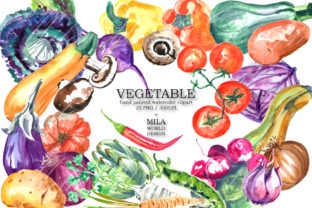
The Vegetable Watercolor Clip Art belongs to the broader category of Illustrations, but its specific style leans heavily into the hand-painted look. The edges are soft, the colors blend in a way that mimics wet-on-wet painting, and the overall vibe is rustic and charming. For an embroidery project, this mood is perfect for creating a sense of warmth and nostalgia. It immediately suggests kitchen textiles, nursery decor, or boutique apparel where a "perfect" vector look feels too cold or corporate.
However, the watercolor effect presents a unique challenge in machine embroidery. In a digital image, gradients are smooth. In thread, we rely on fill stitch density and color blending to mimic that flow. If you are planning to use these designs for custom apparel or a tote bag design, you must consider whether the intricate shading will hold up when stitched. The visual personality of this clip art is delicate, which means it demands high-quality execution to avoid looking muddy or pixelated once threaded.
Real-World Application: A Custom Apron Scenario
To truly test the potential of Vegetable Watercolor Clip Art, let’s imagine a real-life scenario. You are an Etsy seller preparing a line of personalized aprons for a local farmers' market. You want to feature a cluster of carrots and leafy greens on the bib. The watercolor style fits the "farm-to-table" theme perfectly. But as you load the embroidery file into your software, questions arise.
Will the soft edges of the leaves define themselves against the linen fabric? If you use a standard running stitch for the outlines, the watercolor bleed might get lost. Instead, you might need to adjust the stitch density to create a slightly textured fill that catches the light, mimicking the variation in paint saturation. This is where the design moves from a simple graphic to a premium handmade product. Customers buying an apron expect durability and clarity. If the vegetable details blur together after stitching, the perceived value drops. Conversely, if you nail the thread selection—perhaps using variegated threads to enhance the watercolor effect—the result becomes a conversation starter that justifies a higher price point.
Navigating Fabric and Hoop Constraints
Not every surface is suitable for the delicate nature of Vegetable Watercolor Clip Art. While these designs shine on medium-weight cottons like tea towels or pillow covers, they require caution on other materials. On textured fabrics like denim or heavy canvas, the fine details of the watercolor wash can get swallowed by the weave. Similarly, on stretchy knits used for sweatshirt embroidery, the tension required to hold the shape might distort the soft curves of the vegetables.
If you are working with small hoop sizes, you must be particularly careful. The beauty of watercolor lies in its fluidity, which often requires space. Compressing a large, flowing design into a 4x4 inch hoop can force the software to increase stitch density unnaturally, leading to puckering or thread breakage. Always check the recommended hoop size before committing to a project. Furthermore, if you are embroidering on dark fabric, the light, airy tones typical of watercolor vegetables may struggle to pop without significant underlay adjustments or a different background treatment.
Practical Designer Notes for Success
Before you sell a single item featuring this art, treat the Vegetable Watercolor Clip Art as a prototype. Here are my essential steps for ensuring professional results:
- Test on Scrap Fabric First: Never skip the test run. Stitch the design on the exact fabric you plan to use. This reveals how the thread interacts with the material texture and whether the watercolor effect translates clearly.
- Check Thread Color Contrast: Watercolor relies on subtle shifts. Ensure your thread colors provide enough contrast against the background so the design doesn't disappear.
- Review Stitch Density: Inspect the back of the test stitch. If the backing is visible through the fill, you may need to add more rows or change the stitch type to prevent holes in the finished piece.
- Confirm Stabilizer Needs: Delicate designs often need stronger support. Use a cutaway stabilizer for stretchy items or a tear-away for stable wovens to ensure the design lays flat.
- Inspect Small Details: Zoom in on the smallest parts of the vegetable stems or leaf veins. If they are too tiny, they may tangle during stitching. Be prepared to simplify or enlarge the design.
- Test Mockups: Create printable mockup images in both black and white and full color to see how the design reads at a distance versus close up.
Commercial Viability and Licensing
For the Etsy seller or small shop owner, the commercial potential of Vegetable Watercolor Clip Art is high, provided you respect the licensing terms. These designs work exceptionally well for holiday embroidery (think Thanksgiving table runners) or personalized gifts like baby blankets and nursery wall hangings. The organic feel appeals to parents and home decorators looking for something softer than bold, geometric patterns.
However, remember that using a digital asset for commercial embroidery requires clear permission. Always confirm whether the license allows you to sell the finished product or if it is restricted to personal use. Some licenses also prohibit reselling the digital embroidery file itself. Understanding these boundaries protects your brand reputation and ensures you remain compliant as your business grows.
Final Thoughts on Value and Appeal
In the crowded marketplace of craft goods, differentiation is key. Vegetable Watercolor Clip Art offers a distinct visual language that stands out against the sea of solid-color logos and sharp vectors. When executed correctly, it elevates a simple embroidered patch or baby embroidery project into a piece of wearable art. It signals to the customer that care was taken in the design process, enhancing customer trust and buyer engagement.
Ultimately, the success of this design depends on your skill in adapting it to the physical world. By respecting the limitations of thread and fabric while leveraging the charm of the watercolor style, you can create products that are not only beautiful but also commercially viable. Whether you are making a one-off gift or launching a new line of small shop product merchandise, this clip art provides a strong foundation for creative expression, as long as you approach it with the practical mindset of an experienced maker.