Watercolor Sketch Drawing Blue Chicory Review
As a designer who has spent years translating digital files into tangible stitched goods, I know that the difference between a good machine embroidery design and a great one often lies in how it behaves on fabric. When I first opened the file for Watercolor Sketch Drawing Blue Chicory, I wasn't just looking at pixels; I was visualizing thread tension, stabilizer needs, and the final texture of a finished product. This specific illustration immediately struck me as a versatile asset that bridges the gap between fine art and functional craft.
The Visual Mood and Artistic Intent
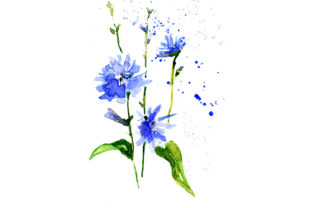
The initial impression of Watercolor Sketch Drawing Blue Chicory is one of soft sophistication. The blue hues suggest a calming, organic feel, while the sketch-like quality implies movement and hand-drawn authenticity. In the world of Illustrations, this style is particularly effective because it avoids the rigidity of solid vector shapes. Instead, it mimics the bleed and flow of watercolor paint, which translates beautifully when converted into a mix of fill stitch and running stitch.
For an Etsy seller or a boutique owner, this mood is crucial. It signals quality without being overly ornate. If you are curating a collection of handmade products, this design fits seamlessly into categories like nursery decor, kitchen linens, or minimalist apparel. It does not scream for attention but rather invites a closer look, which is exactly what you want for high-value personalized gifts.
Real-World Application: The Custom Tote Bag Scenario
To truly understand the value of this embroidery file, let's walk through a real project scenario. Imagine you are preparing a custom embroidered tote bag for a local craft fair. You have selected a sturdy, natural cotton canvas that complements the earthy tones of the chicory flower. As you load the Watercolor Sketch Drawing Blue Chicory into your machine, you notice the layout is balanced, allowing for placement on the front pocket or centered on the main body.
When the stitching begins, the design's structure becomes apparent. The varying line weights in the original sketch are likely represented by different stitch types. Thicker lines might be rendered in satin stitch to provide definition, while the softer wash areas utilize a loose fill stitch to create depth without overwhelming the fabric. On a tote bag, where durability is key, this balance ensures the design remains legible even after the bag has been washed and used repeatedly. Customers buying this item are investing in a piece of art they can carry daily, and the clarity of the stitching directly impacts their perception of the product's value.
Performance Across Different Fabrics and Products
The versatility of Watercolor Sketch Drawing Blue Chicory extends beyond tote bags. For custom apparel, such as sweatshirt embroidery, the design offers a unique advantage. Sweatshirts often feature textured fleece or heavy cotton blends that can swallow up small details. However, the bold yet delicate nature of this illustration holds its own against these heavier materials. The contrast between the blue thread and a neutral gray or cream sweatshirt creates a striking visual appeal that elevates a basic garment into a statement piece.
I also see strong potential for baby embroidery. Parents love soft, non-threatening imagery for nursery items like pillow covers, blankets, or onesies. The gentle curves of the chicory flower and the soothing color palette make it an ideal choice for these sensitive applications. Unlike aggressive geometric patterns, this design feels nurturing and safe, which enhances buyer engagement for parents shopping for personalized gifts.
However, context matters. If you are creating an embroidered patch, the design works well provided the backing is rigid enough to support the intricate details. For holiday embroidery projects, this floral motif can serve as a sophisticated alternative to traditional seasonal themes, fitting perfectly into winter collections or spring gift guides. Whether you are producing small shop merchandise or fulfilling a large commercial embroidery order, the adaptability of this design allows it to fit various branding needs without losing its artistic integrity.
Navigating Challenges: Where Caution is Required
Despite its strengths, there are scenarios where Watercolor Sketch Drawing Blue Chicory requires careful handling. Small hoop sizes can be problematic if the design contains fine details that get compressed. If you attempt to scale the image down too much for a cap or a small apron pocket, the subtle shading may turn into muddy patches of thread. Always check the minimum recommended size before committing to a tiny application.
Fabric texture is another critical factor. On very thin or stretchy fabrics, the density of the stitches could cause puckering. This is especially true if the design relies heavily on fill stitch in certain areas. Using the proper stabilizer is non-negotiable here. A tear-away or cut-away stabilizer, depending on the fabric weight, will ensure the design lays flat and maintains its shape. Similarly, dark fabrics present a challenge with light blue thread colors. Without sufficient coverage, the background fabric might show through, diminishing the visual impact. In such cases, consider using a top layer of white underlay or adjusting the thread colors to ensure contrast.
Detailed corners and tiny lettering, if included in variations of this design, should be inspected closely. Machine embroidery struggles with sharp angles and extremely small text, often resulting in thread breaks or misalignment. Before running the final job, always test the design on scrap fabric first. This simple step saves time, thread, and reputation.
Designer Notes for Professional Results
For those looking to integrate Watercolor Sketch Drawing Blue Chicory into their business workflow, here are my practical recommendations. First, review the stitch density. High-density areas may require slower machine speeds to prevent thread breakage and ensure smooth filling. Second, confirm the hoop size matches your intended product dimensions. Scaling issues can ruin the proportion of the flower, making it look distorted.
Test the design in black and white mockups before purchasing thread. This helps you visualize how the tonal values translate from screen to fabric. Compare how the design looks on both light and dark fabric backgrounds to determine if it needs adjustment. Finally, always verify the licensing terms. As a digital product seller or creative entrepreneur, you must ensure you have the right to sell finished items or use the design assets for commercial purposes. Some files are strictly for personal use, while others allow for unlimited sales of handmade products.
Final Thoughts on Value and Presentation
Ultimately, Watercolor Sketch Drawing Blue Chicory is more than just a digital file; it is a tool for enhancing brand consistency and customer trust. When executed correctly, it adds a layer of professionalism to any handmade presentation. The design speaks to a customer base that appreciates artistry, detail, and quality. By taking the time to test, stabilize, and place this design thoughtfully, you ensure that every finished product reflects the care and expertise of your craft business.
Whether you are a hobbyist exploring new styles or an established decorator looking for fresh content, this embroidery project offers a rewarding blend of aesthetic beauty and practical utility. It reminds us that the best designs are those that respect the medium of thread and fabric, turning a simple illustration into a lasting memory.